The Complete Guide to Selecting the Perfect Fishing Rods for All Anglers
Selecting the right fishing rod is vital for any angler's success. Various types of rods cater to different fishing styles and conditions. Understanding the key features, such as material, action, and power ratings, can greatly impact performance. However, many anglers overlook these details. As they embark on their fishing journeys, the quest for the perfect rod can become more complex than anticipated. What factors should they truly prioritize?
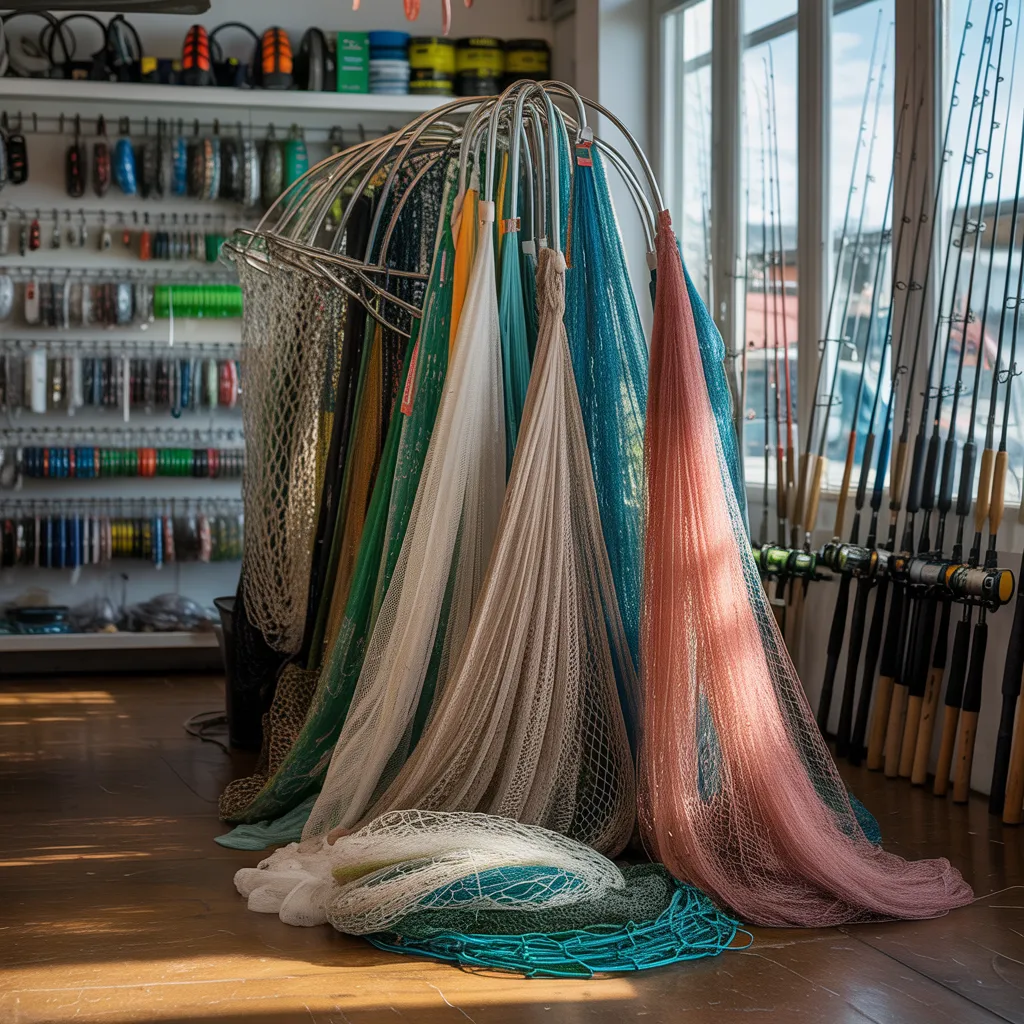
Understanding Angling Rod Basics
While fishing rods can look simple at first glance, comprehending their basic components is vital for any fishing enthusiast. A fishing rod is essentially composed of the blank, guides, reel seat, and handle. The blank, generally crafted from materials for example graphite or fiberglass, supplies the structure and sensitivity necessary for optimal casting. Guides, little rings mounted along the rod's length, facilitate line management and help control the line's trajectory throughout casting and retrieval.
The reel seat serves as the attachment point for the fishing reel, providing stability throughout use. Finally, the handle, often made of cork or EVA foam, provides comfort and grip, allowing for peak control. These features operate in unison to affect the rod's performance, influencing casting distance, sensitivity, and durability. Acquaintance with these parts helps anglers to make informed decisions, enriching their fishing experience and success on the water.
Different Fishing Rod Varieties and Their Functions
In selecting a fishing rod, knowing about the multiple types available is crucial for maximizing fishing success. There are multiple primary categories of fishing rods, each built for specific techniques and environments. Spinning rods are versatile and user-friendly, excellent for beginners and appropriate for light to medium tackle. Baitcasting rods provide greater control and accuracy, making them favored for experienced anglers going after larger species.
Fly rods are deliberately engineered for fly fishing, providing a lightweight design that allows for delicate presentations. Surf rods, on the other hand, are long and sturdy, serving anglers fishing from the shore. For those interested in ice fishing, specialized ice rods are brief and delicate, designed to detect subtle bites through the ice. Finally, comprehending these distinct categories assures anglers choose the right rod for their fishing approach and target fish, improving their overall experience on the water.
Critical Features to Keep in Mind When Selecting a Rod
Selecting the right fishing rod requires careful consideration of several key features that can substantially impact performance. One crucial aspect is the material of the rod, which often includes graphite, fiberglass, or composite choices. Graphite is lightweight and sensitive, while fiberglass offers strength and flex. Another critical feature is the rod's action, which establishes how much the rod bends when pressure is applied. Fast action rods react quickly, whereas slow action rods provide greater flexibility. Additionally, the handle type, usually made from cork or foam, affects grip and comfort during use. Reel seat quality is also essential, as it ensures secure attachment of the reel. Finally, guides and tip quality impact line movement and casting distance. By knowing these features, anglers can pick a rod that best meets their fishing preferences and style.
Selecting the Appropriate Length and Power
Picking the appropriate length and power for a fishing rod is essential for achieving ideal performance. Rod length affects casting distance and accuracy, while power ratings reveal the rod's strength and ability to handle different species. Grasping these elements helps anglers make informed decisions customized to their fishing needs.
Grasping Rod Length
The length of a rod is essential in determining the overall performance and effectiveness of a fishing rod. Lengthy rods, generally spanning 7 to 12 feet, provide improved casting distance and leverage, making them perfect for surf fishing or targeting species in larger bodies of water. Conversely, shorter rods, typically between 5 to 6.5 feet, present greater accuracy and control, which is ideal for small streams or tight fishing spots. The picking of rod length should match the angler's fishing style, technique, and target species. Recognizing the environment and fishing conditions will also determine the appropriate length. In the end, deciding on the right rod length enhances the fishing experience and contributes to more successful outings on the water.
Power Ratings Explained
Grasping rod length is just one aspect of selecting the right fishing rod; power ratings are just as crucial in matching the rod to certain fishing conditions and techniques. Power ratings show the rod's strength and performance, determining how much weight it can handle. Rods are commonly categorized as ultralight, light, medium, medium-heavy, and heavy. An ultralight rod is appropriate for small fish and finesse techniques, while a heavy rod is engineered for larger species and heavy lures. Selecting the right power rating ensures that anglers can successfully control their line and lure, enhancing their chances of success. Analyzing the targeted species and fishing environment will direct anglers in making the best choice for their needs.
Combining Your Rod With Line and Reel
Often, fishermen discover that the results of their fishing experience hinges on the compatibility of their rod, reel, and line. Selecting the right combination guarantees peak performance and improves the overall fishing experience. The rod's power and action should align with the reel's take action gear ratio and type, whether spinning or baitcasting. For example, a lightweight rod combined with a high-speed reel is ideal for rapid retrieves, while a heavier rod may demand a more robust, slower reel for heavier catches.
Line choice also plays a critical role; the breaking strength should align with the rod's specifications and the reel's capacity. Monofilament, fluorocarbon, or braided lines offer different advantages, impacting sensitivity and casting distance. Ultimately, achieving a balanced balance between these components allows anglers to optimize their effectiveness on the water, boosting both casting accuracy and fish fighting capabilities.
Care Guidelines for Extended Lifespan and Optimal Function
Maintaining a fishing rod is essential for maintaining its durability and ideal performance. Routine cleaning practices, correct storage techniques, and routine inspections for damage can significantly extend the durability of the equipment. By following these maintenance guidelines, anglers can enhance their fishing experience and safeguard their investment.
Regular Maintenance Practices
Although fishing enthusiasts might focus on choosing the perfect rod, regular cleaning practices are critical for maintaining longevity and peak performance. After each fishing session, it is important to rinse the rod with fresh water to remove salt residue, dirt, and debris that can cause corrosion. A soft cloth can be used to wipe off the rod and guides, guaranteeing no moisture is left behind. For rods with cork handles, a mild soap solution can help maintain their condition. Inspecting the rod for any evidence of damage or wear is also vital; this allows for quick repairs. Regular cleaning not only boosts the rod's appearance but also protects its functionality, making it a worthwhile practice for every angling enthusiast.
Appropriate Storage Practices
Appropriate storage methods are crucial for prolonging the life and performance of fishing rods. Fishing enthusiasts should place rods in a dry, cool location to avoid moisture buildup, which can lead to corrosion. Using rod holders or racks aids in keeping their shape and avoids warping or bending. It is recommended to avoid placing heavy objects on top of the rods or leaning them against walls, as this can cause unnecessary stress. Additionally, separating individual rods with protective sleeves can minimize friction and potential damage. For those using rod cases, verifying they are well-ventilated will provide extra protection for the rods from humidity. Ultimately, proper storage safeguards against wear and tear, ensuring rods remain in optimal shape for future fishing adventures.
Reviewing for Damage
Routine inspections are vital for ensuring the longevity and performance of fishing rods. Anglers should inspect their rods regularly for any signs of wear or damage. This includes inspecting the rod blank for fractures, splinters, or color changes, as these can compromise structural integrity. Furthermore, guides and tip tops must be examined for loose fittings or cracks, which can hinder line movement and contribute to breakage. Ferrules should also be inspected to confirm a secure connection between rod sections. Finally, the reel seat must be checked to prevent slippage during use. Handling any identified issues promptly through repairs or replacements can substantially extend the life of a fishing rod and enhance the overall fishing experience.
FAQ
What's the Top Fishing Rod Brand for Novice Anglers?
For novice anglers, brands such as Ugly Stik and Shimano provide exceptional options. They deliver sturdy, beginner-friendly rods with solid flexibility and strength, making them perfect for novice anglers looking for dependable performance while mastering the basics of fishing.
How Much Does a First Fishing Rod Cost?
Experts suggest novices spend between $50 to $100 toward their first fishing rod. This price range generally presents a balance of quality and affordability, providing a favorable experience without overextending the novice angler financially.
Can You Use a Spinning Rod for Baitcasting?
Baitcasting cannot be performed effectively with a spinning rod. Every rod type is engineered for particular techniques, with spinning rods suited for lighter lines and lures, and baitcasting rods specialize in heavier tackle and precision casting.
What's the Best Material for a Fishing Rod?
The ideal material for a fishing rod is typically graphite, recognized for its sensitivity and lightweight characteristics. Fiberglass, while heavier, offers resilience, making it ideal for select fishing styles. Eventually, the choice is based on personal preference and fishing conditions.
How Do I Know if a Rod Is Too Heavy for Me?
To assess whether a rod is excessively heavy, an angler should assess ease of use when casting and retrieving. If tiredness or discomfort develops rapidly, the rod might be too heavy for their power and casting style.